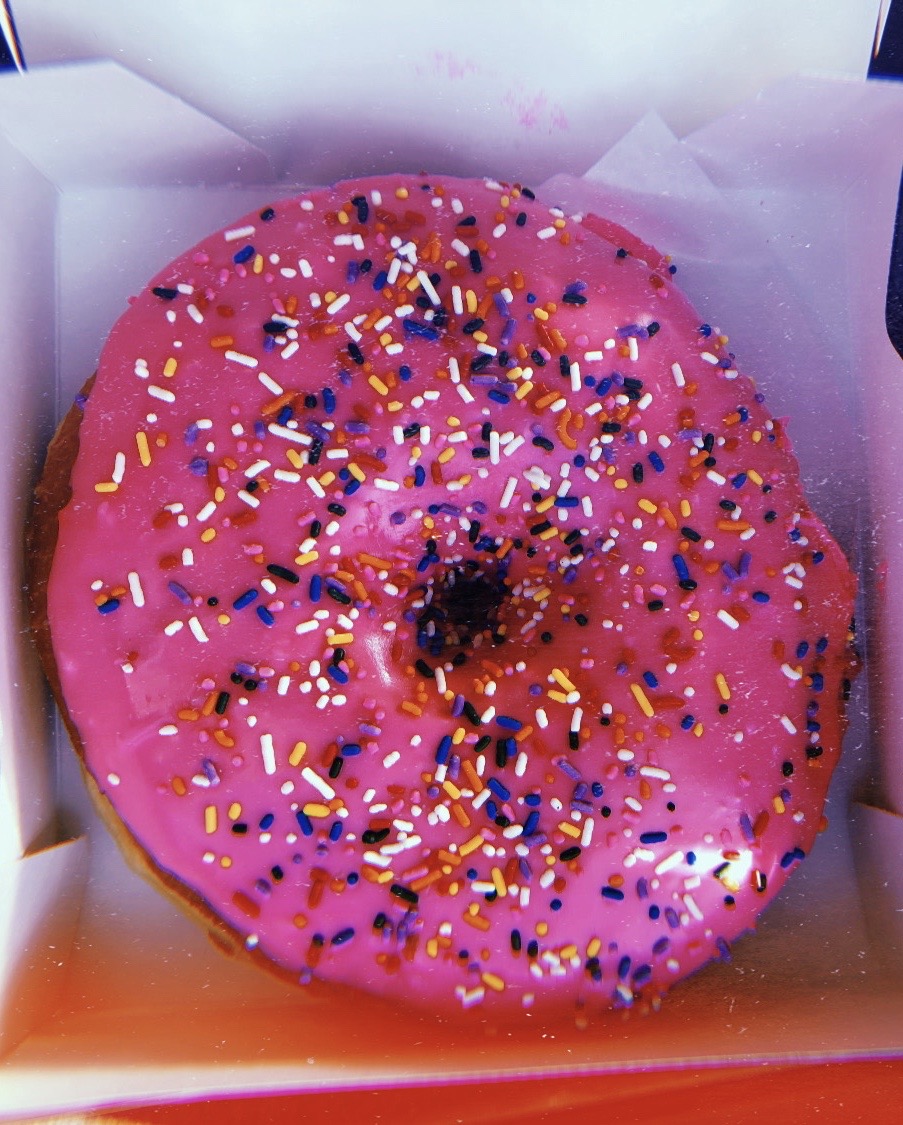
During moments of chaos and uncertainty, it’s become a well-worn trope that women turn to food. We look for our old friends like warm, doughy bites of bread and cold crisp spoonfuls of ice cream. We fall deep into other textures and flavors and colors. In the kitchen, we are maestros. We tip and peek and poke and pour and turn next to nothing into a wonderful, warm, filling meal. We create something out of nothing, like magic.
It was May 2008 and I was in trying to figure out how to say “yeast” in Mandarin (jiào mǔ) I was seventeen-ish and desperately struggling in that pivotally awkward time that is spring of Senior Year. I had chin acne and I was pretty sure my body is growing incongruously. I was tall, but crooked. We were in the midst of our final exams; seventy-five percent of our final two-year grade. And for a kid in the midst of the International Baccalaureate program, the memory of final exams should bring a cold shudder over the body, like walking through a spiderweb. I had developed a series of bizarre coping mechanisms like insomnia and bursting into tears at the dinner table to deal with the stress. In search of healthy ways to punch and slam stuff, I found dough.
Learning to bake in Suzhou, China was an exercise in optimistic improvisation. While Chinese food culture is renowned, it hasn’t spilled over into the art of pastry-making. Sadly enough, there was not a burgeoning boulangerie movement in the factory district of Suzhou, China like I’d later find in Paris or Moscow.
Like practically everyone else in the world, my foundational baking skills were passed down along to me by my grandmas. My paternal great-grandmother was a renowned baker. People mourn her Lemon Meringue pie like they mourn great leaders and dark-eyed, dusky musicians. Gone, but not forgotten. My maternal grandmother was good for baking bandaids and quick fix-its. There was no artisan baker I could immediately turn to for advice. There wasn’t a Youtube tutorial for me to lean on. The Chinese government blocked Youtube and my VPN was painfully slow. Instead, I learned exclusively through trial by fire. And I wanted to learn how to bake. Really bake.
I believe when bakers are starting out, they can make mistakes and feel like a failure. They get frustrated, feel stupid, and quit. I was not burdened with this common hurdle because, stupidly enough, I could not read the labels on the ingredients that I was using. Everything was in Mandarin. We google translated our way through the grocery store. We shopped by best guesses and by using helpful flashcards provided to us by the American embassy. Occasionally, when feeling fancy, we shopped at expat grocery stores for $5 Reese’s’ cups and $15 boxes of stale Captain Crunch. By using exclusively Chinese products, and by not reading a lick of Mandarin, I floundered joyously. My circumstances removed any risk of fault or blame if it goes bad. There was no pressure because people were just stoked for dessert.
While I was baking, I was reprieved from studying epistemology or the reunification of Germany after World War II. Nor did I have to listen to others, follow directions, or pay attention to the outside world at large. Everything else fell quiet because I was baking. This time became sacrosanct at my house. It was a meditative break; a moment of silence. My real life problems melted away like sugar into caramel and butter into frosting. Even though I experienced frequent failure due to Mao-era appliances, spooky looking ingredients from the Korean market down the corner or my own sheer negligence, it was nevertheless an instructive period.
While chefs evangelize their work as an art, bakers are most assuredly scientists at heart. Temperature, time, and texture were all to be carefully measured and weighed for optimal bake. Creativity and improvisation aren’t necessarily the guiding forces when baking. But like the scientific method, there are sound baking principals that you can always fall back on. The first and most important being: in the kitchen, we have control. And most importantly, if you read the recipe very carefully, follow the instructions exactly; there was a reliable chance that something wonderful was going to happen. And still, to this day, the process of digging my knuckles into dough, whipping cream, and caramelizing sugar calls a little bit of goodness and magic into my life.
 MY NAME IS savannah hughes